Undergrowth Removal in Atlanta, GA
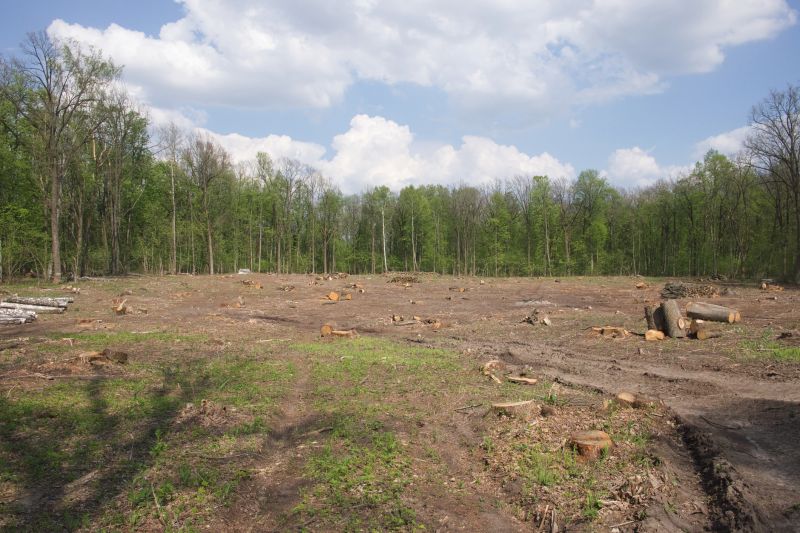
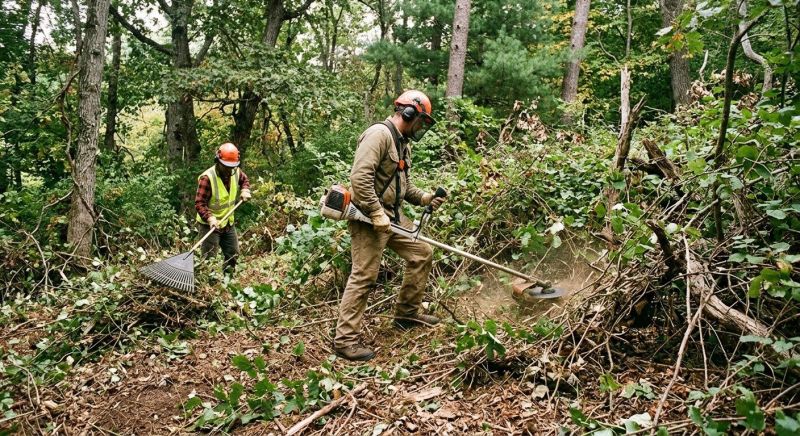
Undergrowth removal services involve clearing away dense or overgrown vegetation, such as shrubs, brush, and small trees, to improve the safety, appearance, and functionality of a property. This type of work is commonly requested for projects like preparing a yard for landscaping, creating clear pathways, or removing debris after storm damage. Property owners often seek undergrowth removal to enhance curb appeal, reduce fire hazards, or maintain access around their homes and outdoor spaces.
Before requesting undergrowth removal, homeowners should consider the extent of the overgrowth and any specific areas that need attention. It is helpful to identify whether the project involves only light trimming or requires the removal of larger, more established plants. Understanding the scope of work and any potential obstacles, such as nearby structures or underground utilities, can assist in planning the project effectively. Proper assessment ensures that the removal process aligns with property goals and safety considerations.
Many property owners in Atlanta, GA look into Undergrowth Removal for repairs, replacements, upgrades, and appearance-related improvements.
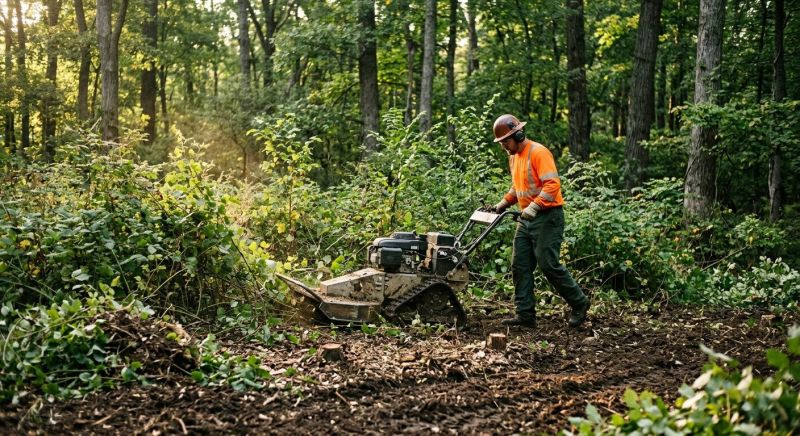
Clearing Overgrown Areas
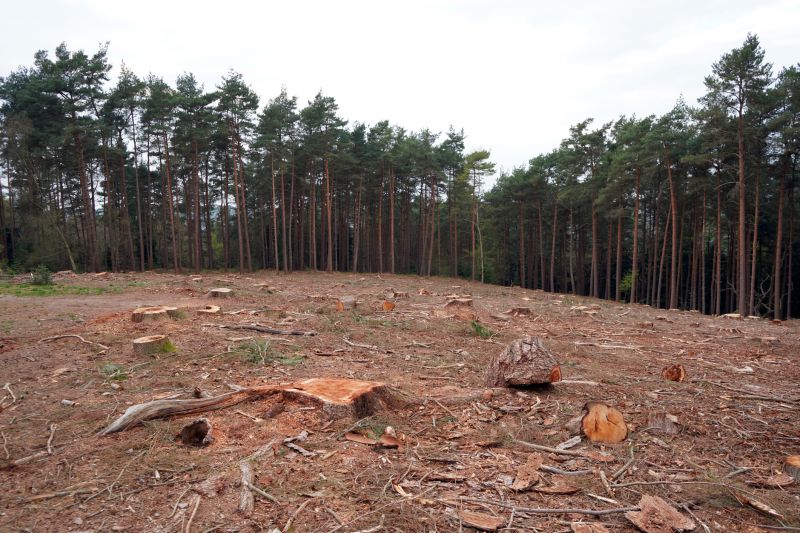
Removing dense undergrowth to improve yard visibility and accessibility.
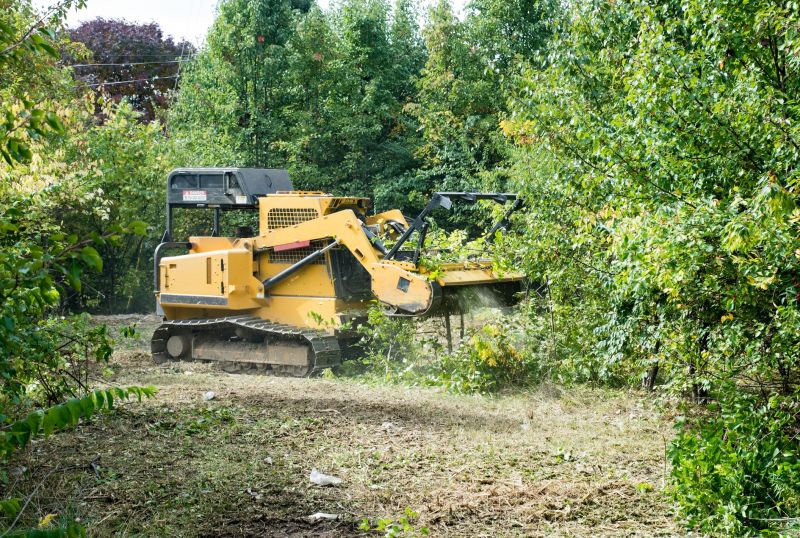
Preventing Pest Habitats
Reducing undergrowth to minimize places where pests and rodents can hide.
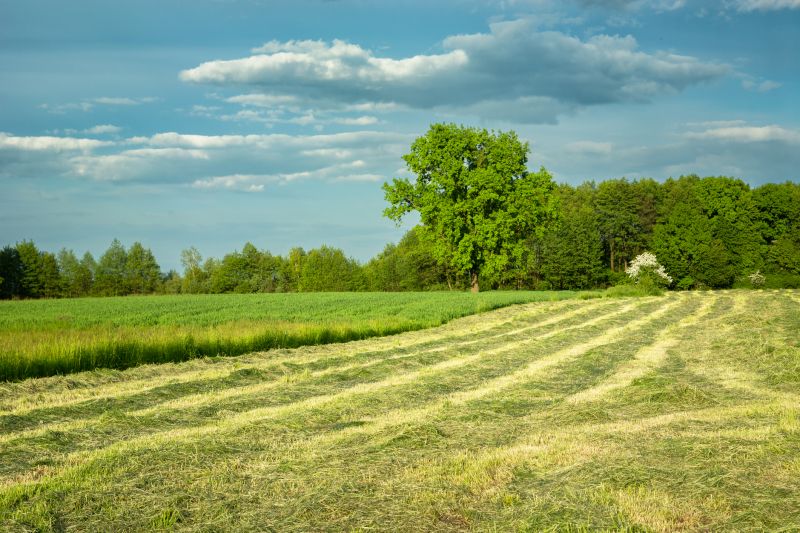
Enhancing Property Safety
Eliminating thick underbrush to reduce tripping hazards and improve overall safety.
Undergrowth Removal in Atlanta, GA
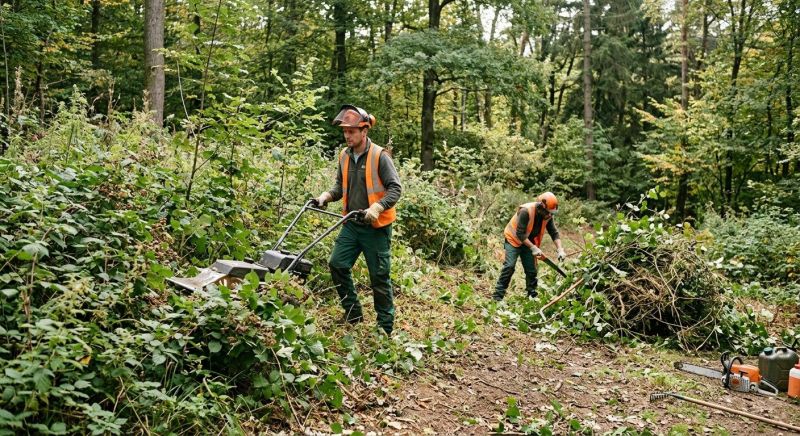
Undergrowth removal services involve clearing away dense or overgrown vegetation, such as shrubs, brush, and small trees, to improve the safety, appearance, and functionality of a property. This type of work is commonly requested for projects like preparing a yard for landscaping, creating clear pathways, or removing debris after storm damage. Property owners often seek undergrowth removal to enhance curb appeal, reduce fire hazards, or maintain access around their homes and outdoor spaces.
Before requesting undergrowth removal, homeowners should consider the extent of the overgrowth and any specific areas that need attention. It is helpful to identify whether the project involves only light trimming or requires the removal of larger, more established plants. Understanding the scope of work and any potential obstacles, such as nearby structures or underground utilities, can assist in planning the project effectively. Proper assessment ensures that the removal process aligns with property goals and safety considerations.
Many property owners in Atlanta, GA look into Undergrowth Removal for repairs, replacements, upgrades, and appearance-related improvements.
Common Undergrowth Removal Jobs
Undergrowth removal - clearing overgrown plants and bushes to improve landscape appearance.
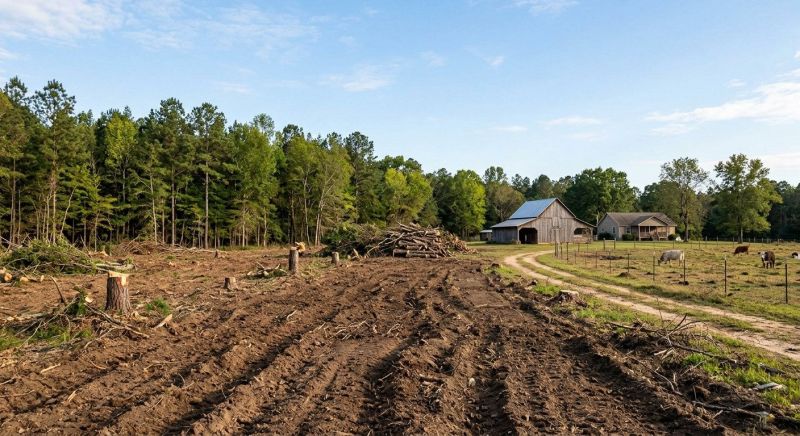
Brush clearing - removing dense brush and small trees to create open space.
Weed and vine removal - eliminating invasive plants that hinder yard health.
Pathway and driveway clearance - ensuring access routes are free of overgrowth and obstructions.
Fence line clearing - maintaining clear boundaries by removing encroaching vegetation.
Yard cleanup - tidying up overgrown areas for safety and aesthetic appeal.
Undergrowth Removal Questions
What is undergrowth removal? Undergrowth removal involves clearing shrubs, small trees, and dense vegetation to improve the appearance and safety of a property.
When should property owners consider undergrowth removal? It is typically done to reduce fire risk, improve landscape access, or prepare a yard for planting or construction.
What types of projects commonly require undergrowth removal? Projects include clearing overgrown areas, creating pathways, and maintaining firebreaks in wooded or brushy areas.
How does undergrowth removal benefit property maintenance? It helps prevent pest infestations, reduces fire hazards, and enhances overall landscape health and accessibility.
Request Undergrowth Removal in Atlanta, GA
Use the quote form on this page to share the basics of your project and request more information for the type of work you need.