Dead Tree Removal in Allentown, PA
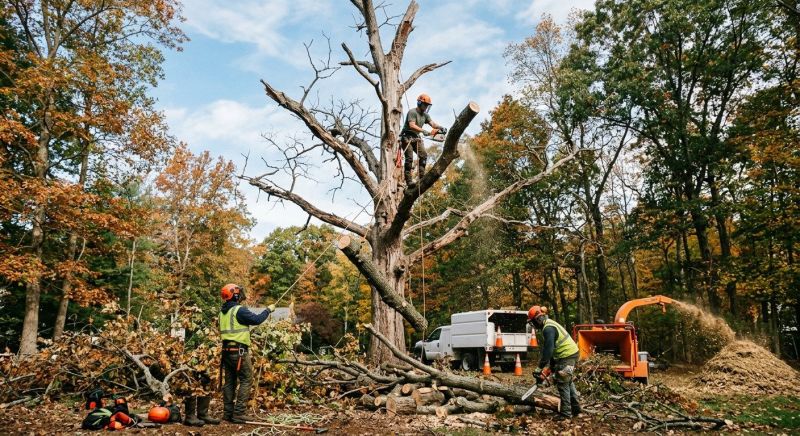
Dead tree removal services involve safely removing trees that are dead, dying, or pose a risk to the property. This type of project often includes removing trees that have become hazardous due to disease, storm damage, or age, as well as clearing space for new landscaping or construction. Homeowners typically seek this service to prevent potential damage from falling branches or entire trees, and to maintain the safety and appearance of their property. Before requesting dead tree removal, property owners should consider the size and location of the tree, potential impacts on nearby structures or utilities, and any local regulations or permits that may be required for removal.
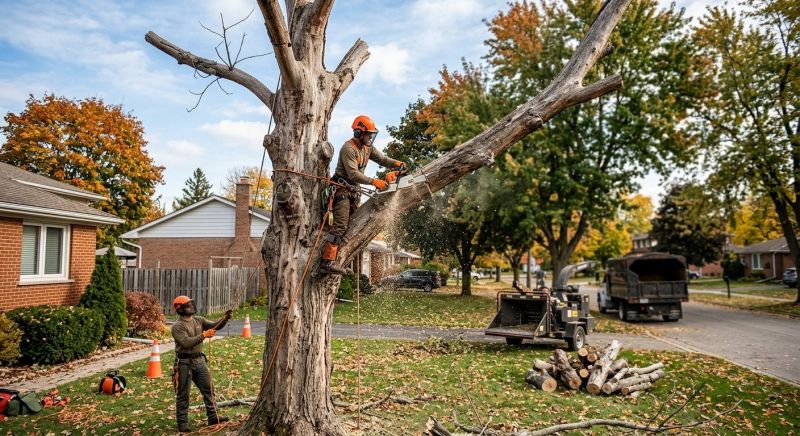
Understanding the scope of dead tree removal helps ensure the project meets safety and aesthetic goals. Property owners often want to know about the process involved, including how the tree will be dismantled and removed, and whether any additional work such as stump grinding or cleanup is included. It’s also important to consider access to the tree, potential impacts on surrounding landscaping, and the overall condition of the tree to determine if removal is necessary or if alternative solutions might be appropriate. Clear communication about these factors can help facilitate a smooth and effective removal process.
Many property owners in Allentown, PA look into Dead Tree Removal for repairs, replacements, upgrades, and appearance-related improvements.
Dead Tree Removal Services
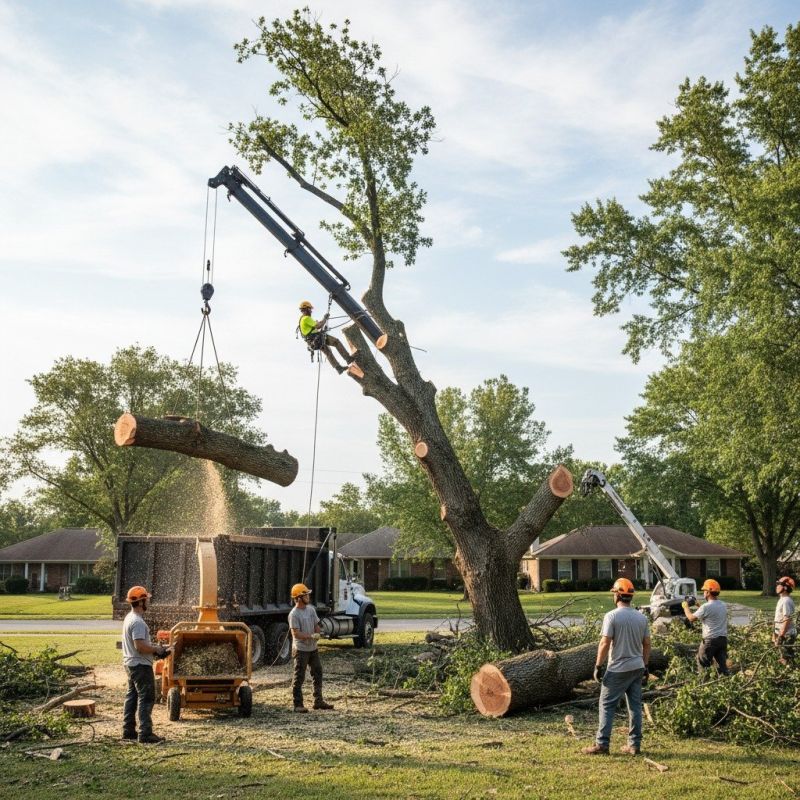
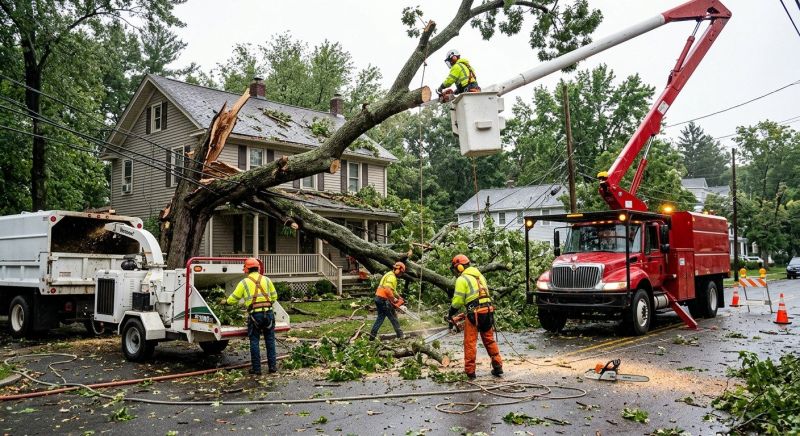
Examples of dead tree removal work property owners may explore in allentown, pa.
Dead Tree Removal Updates
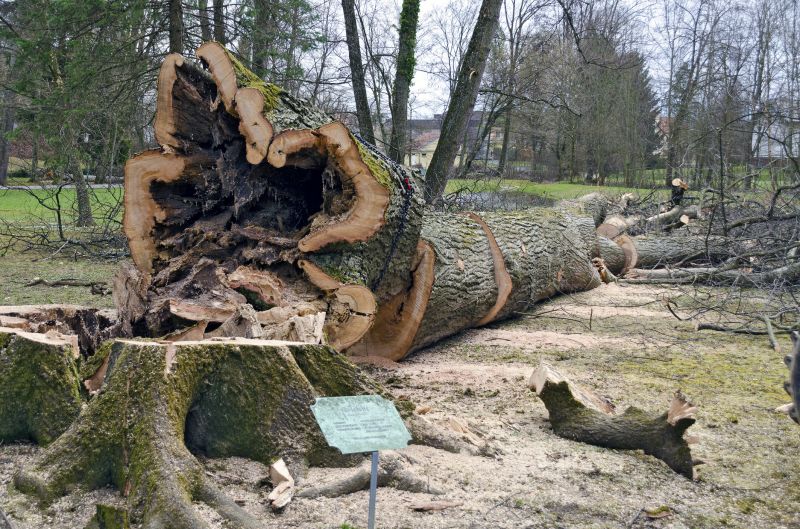
Common ways people refresh, improve, or restore dead tree removal features in allentown, pa.
Dead Tree Removal Options
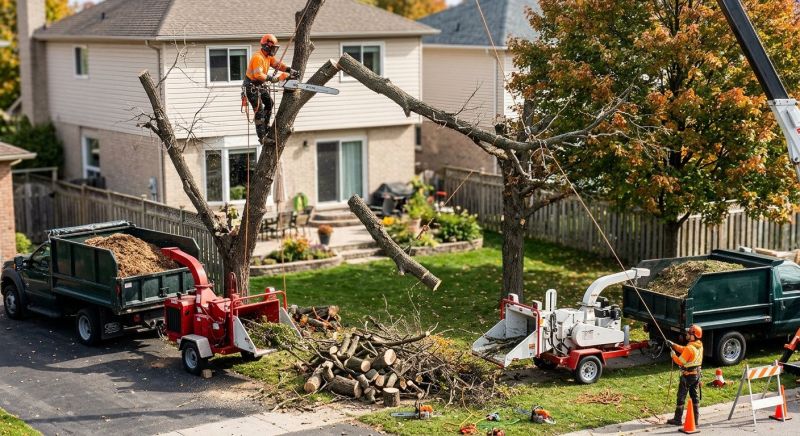
Different styles, layouts, and finishes people consider for dead tree removal in allentown, pa.
Dead Tree Removal in Allentown, PA
Dead tree removal services involve safely removing trees that are dead, dying, or pose a risk to the property. This type of project often includes removing trees that have become hazardous due to disease, storm damage, or age, as well as clearing space for new landscaping or construction. Homeowners typically seek this service to prevent potential damage from falling branches or entire trees, and to maintain the safety and appearance of their property. Before requesting dead tree removal, property owners should consider the size and location of the tree, potential impacts on nearby structures or utilities, and any local regulations or permits that may be required for removal.
Understanding the scope of dead tree removal helps ensure the project meets safety and aesthetic goals. Property owners often want to know about the process involved, including how the tree will be dismantled and removed, and whether any additional work such as stump grinding or cleanup is included. It’s also important to consider access to the tree, potential impacts on surrounding landscaping, and the overall condition of the tree to determine if removal is necessary or if alternative solutions might be appropriate. Clear communication about these factors can help facilitate a smooth and effective removal process.
Many property owners in Allentown, PA look into Dead Tree Removal for repairs, replacements, upgrades, and appearance-related improvements.
Common Dead Tree Removal Jobs
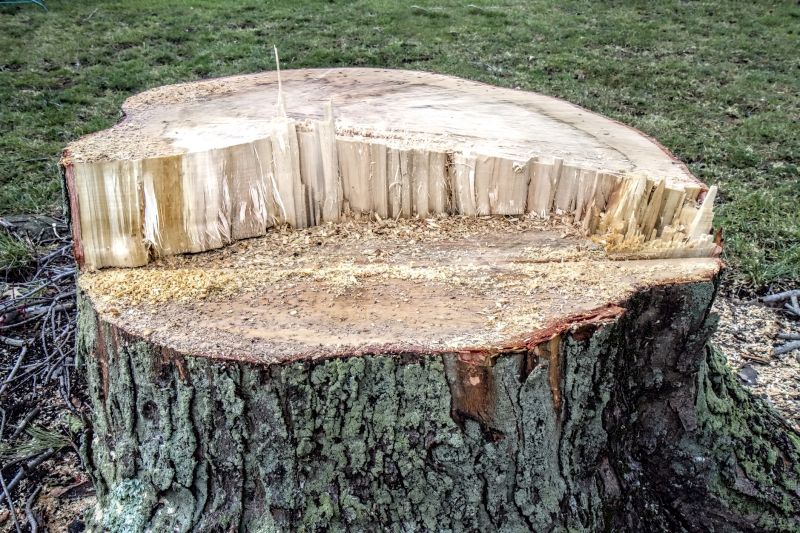
Dead Tree Removal - safely removes hazardous or decayed trees to protect property and safety.
Stump Grinding - eliminates remaining stumps to improve landscape appearance and prevent regrowth.
Emergency Tree Clearance - responds to storm damage or urgent safety concerns with prompt removal.
Selective Tree Removal - removes specific trees to improve yard health or enhance views.
Root Removal - extracts invasive roots that threaten foundations or underground utilities.
Hazard Tree Assessment - evaluates trees for stability and risks to determine removal needs.
Dead Tree Removal Questions
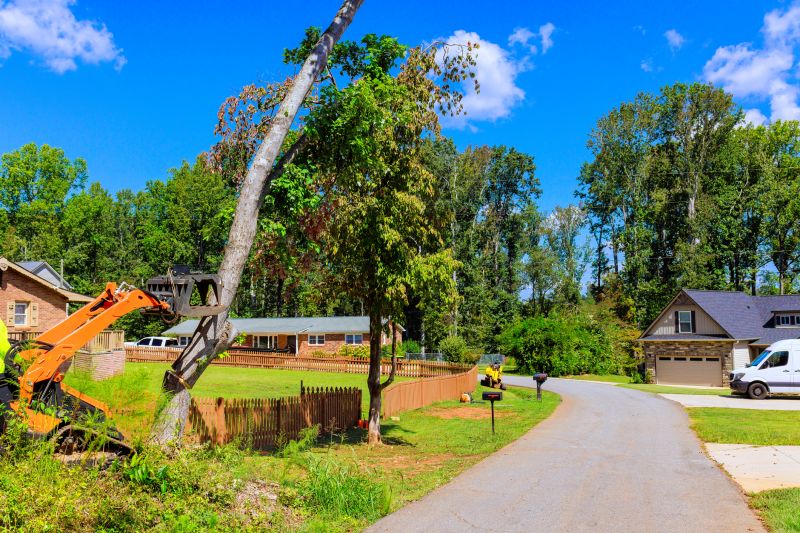
Why remove a dead tree? Removing dead trees helps prevent potential hazards like falling branches or complete toppling, which can damage property or pose safety risks.
What types of dead trees are typically removed? Any dead or decaying trees that are close to structures, pathways, or other trees are commonly removed to maintain safety and landscape health.
Is dead tree removal necessary for healthy trees? Dead tree removal is specific to removing trees that are no longer living or pose risks, not for healthy, living trees.
What should property owners consider before removal? It's important to assess the location, size, and condition of the dead tree to determine the best removal approach and ensure safety during the process.
Request Dead Tree Removal in Allentown, PA
Use the quote form on this page to share the basics of your project and request more information for the type of work you need.